
Engineering Your Physical Armour
Executive Summary
Your career is built on intellectual output, but your physical structure dictates your endurance. As we move into our 40s and 50s, training stops being about aesthetics and becomes a strict biological requirement to prevent systemic degradation. We treat muscle as an organ of longevity and cardiovascular capacity as the ultimate metric of physical resilience. This is the blueprint for the minimum effective dose needed to maintain joint architecture, combat muscle loss and sustain high-level performance.
The Problem: The Desk-Bound Liability
The modern corporate environment forces the body into unnatural, chronic positions. Sitting at a desk or in boardrooms for 10 hours a day creates a cascade of biomechanical failures:
- Accelerated sarcopenia: from our 30s, we lose 3–5% of muscle mass per decade if untrained. Because muscle acts as a metabolic sink for blood glucose, losing it directly degrades metabolic health.
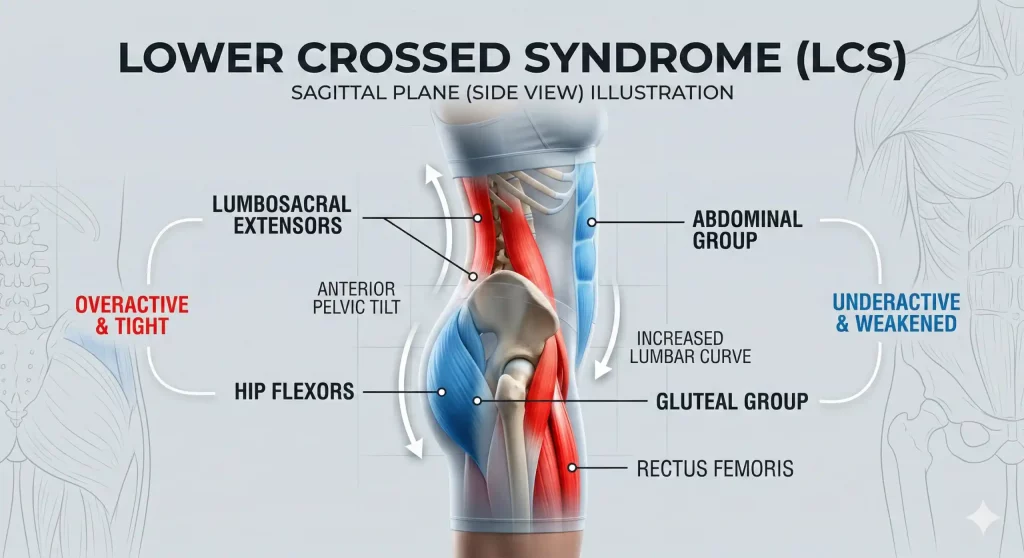
- Postural degradation: chronic sitting shortens the hip flexors, weakens the posterior chain and places destructive shear force on the lumbar spine.
The Solution: The High-ROI Training Protocol
High-performing professionals do not have 10 hours a week for the gym. The goal is the minimum effective dose: the maximum biological return on your time. The protocol has three non-negotiable pillars.
1. Resistance Training (Structural Integrity)
Lifting heavy weights is not about bodybuilding; it protects your skeletal architecture. Mechanical tension forces the body to increase bone mineral density and synthesise new muscle.
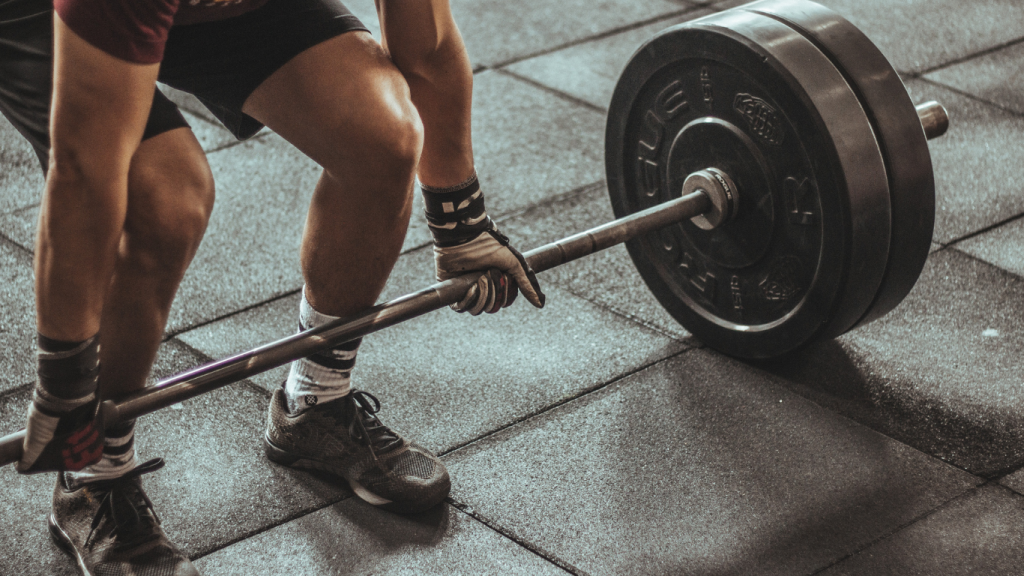
- The protocol: focus on multi-joint compound movements (squat, hinge, push, pull, carry). Two to three focused 45-minute sessions a week are enough to arrest sarcopenia and build a resilient frame.
2. Cardiovascular Capacity (the Aerobic Engine)
Your cardiovascular system dictates your cognitive stamina. We measure it through two modalities:
- Zone 2 cardio: low-intensity, steady-state training at a pace where you can just about hold a conversation. It builds mitochondria, so your body produces energy efficiently without fatigue.
- VO2 max: the maximum rate at which your body can use oxygen. Clinical data show a high VO2 max is one of the strongest predictors of longevity. See our VO2 Max Guide.
3. Biomechanics and Mobility (Joint Architecture)
You cannot execute a high-stress role in chronic, low-grade physical pain. Daily mobility work is the maintenance that keeps the machine running.
- The protocol: dedicate 10 minutes a day to functional end-range movement, focusing on thoracic spine mobility, hip openers and ankle dorsiflexion. This mitigates the damage of desk-bound posture.
The Biological ROI
Apply data-driven rigour to your training and the results go beyond the gym:
- Injury resistance: a stronger frame prevents the sudden, debilitating injuries (such as a slipped lumbar disc) that pull executives out of their lives and careers.
- Cognitive stamina: a well-developed aerobic base keeps blood and oxygen flowing to the brain, preventing the 3pm cognitive crash.
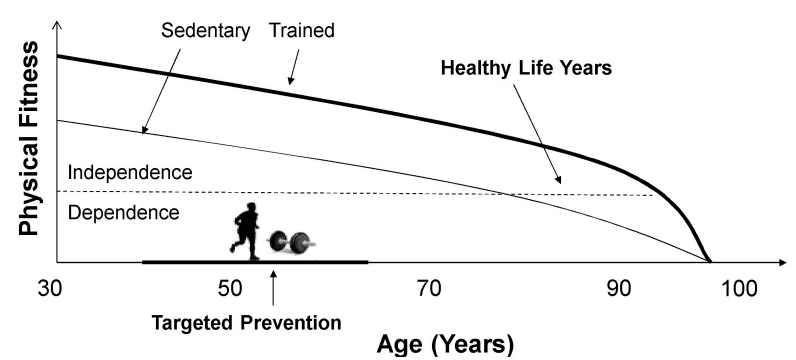
- Lifelong independence: functional strength is the difference between thriving in your 70s and 80s and relying on others for daily tasks.
Evidence & Citations
This article is based on scientific evidence and fact-checked by our editorial team. We prioritise peer-reviewed studies, clinical trials and academic consensus.
- Westcott, W. L. (2012). Resistance training is medicine: effects of strength training on health. Current Sports Medicine Reports. View study
- Maestroni, L., et al. (2020). The benefits of strength training on musculoskeletal system health: practical applications for interdisciplinary care. Sports Medicine. View study
- Strasser, B. & Burtscher, M. (2018). Survival of the fittest: VO2max, a key predictor of longevity? Frontiers in Bioscience. View study
- San-Millán, I. & Brooks, G. A. (2018). Assessment of metabolic flexibility by means of measuring blood lactate, fat, and carbohydrate oxidation responses to exercise in professional endurance athletes and less-fit individuals. Sports Medicine. View study
Back to the Body pillar or explore the full Executive’s Guide to Healthspan.
Extend Your Performance Runway
Download the Executive Longevity Blueprint: a 90-day protocol to audit your biomarkers, reduce biological debt and extend your performance runway. Evidence-based insight on healthspan, cognition and recovery, delivered to your inbox. Five minutes to read. Zero fluff. Unsubscribe anytime. See our Privacy Policy.